The Difference Between Hosting an Event and Authoring an Experience
Why the Most Memorable Events Feel Designed, Not Scheduled
Hosting an event is about execution.
Authoring an experience is about intention.
Guests don’t experience run-of-show documents. They experience environments. They read a room before they read a program. They decide how something feels long before the first speaker takes the stage or the first course is served.
When an event feels effortless, it’s not because less work went into it. It’s because someone carefully planned and shaped the experience from the inside out, with detailed preparation and intention.
That difference is becoming impossible to ignore.
Here’s the real question planners are facing now:
Is this the kind of experience you can confidently deliver?
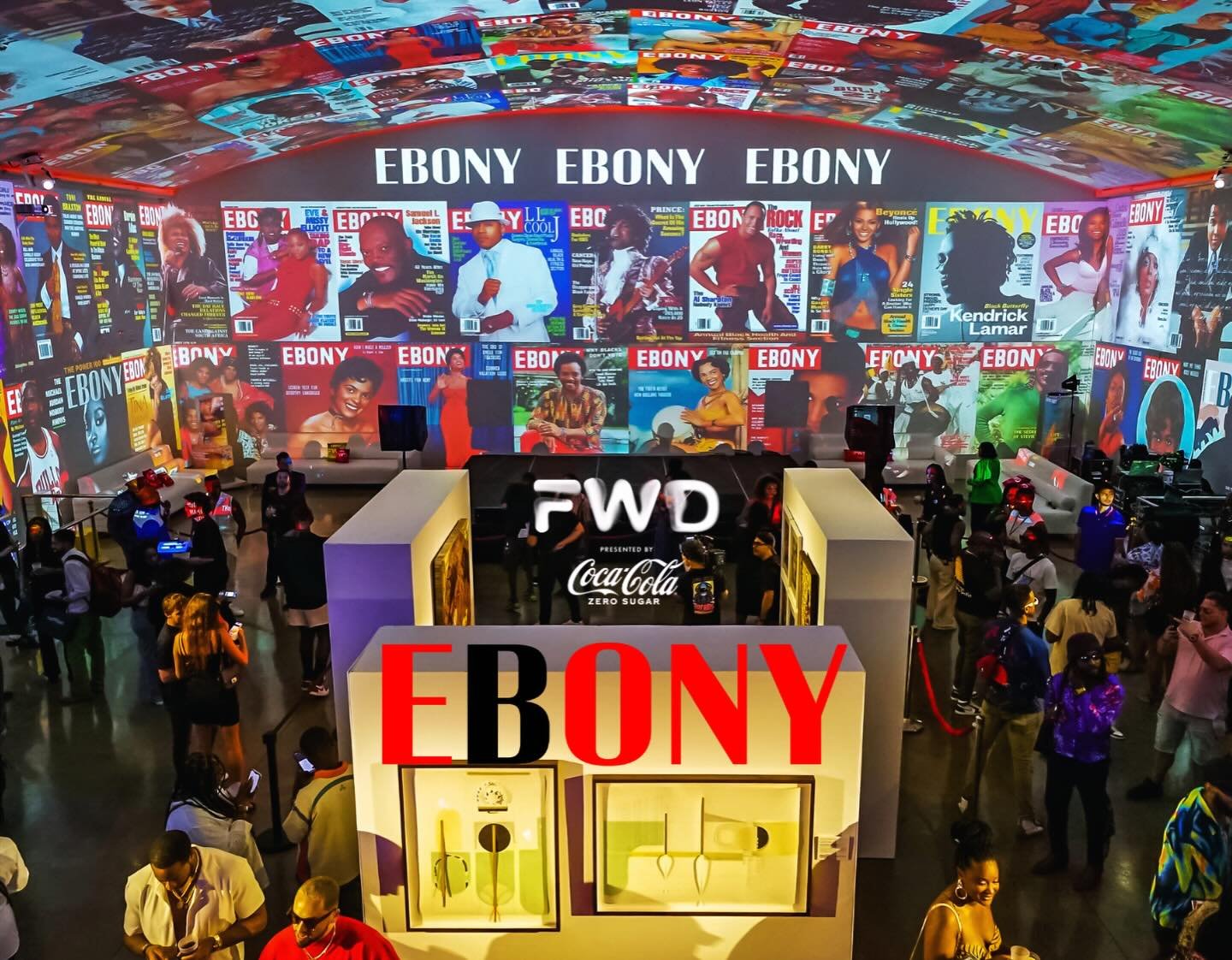
What It Means to Author an Experience
Hosting an event is about coordination. Authoring an experience is about intention.
When an event is authored, every decision serves a larger emotional arc. Arrival sets tone. The environment builds momentum. The space itself communicates meaning before a single word is spoken.
The planning process for authored experiences involves a structured approach to designing both the emotional arc and the environment, ensuring each phase is intentional and impactful.
This is the difference between filling a room and shaping a moment.
The planners who author experiences don’t start with schedules or layouts. They start with a much harder question: What should guests feel, and when should they feel it?
Once that’s clear, everything else follows.
What We’re Seeing Across Our Events
Across our work — corporate events, private celebrations, destination gatherings — we’re seeing the same pattern repeat.
Clients aren’t asking for more options. They’re asking for more certainty.
They want to know that the experience will feel cohesive, that the environment won’t fight the vision, and that guests will understand the story without being told. They want confidence that what they’re creating can’t be replicated somewhere else.
To achieve this, planners must pay close attention to both client and attendee preferences to ensure the experience meets expectations.
That’s not about trends. That’s about expectation.
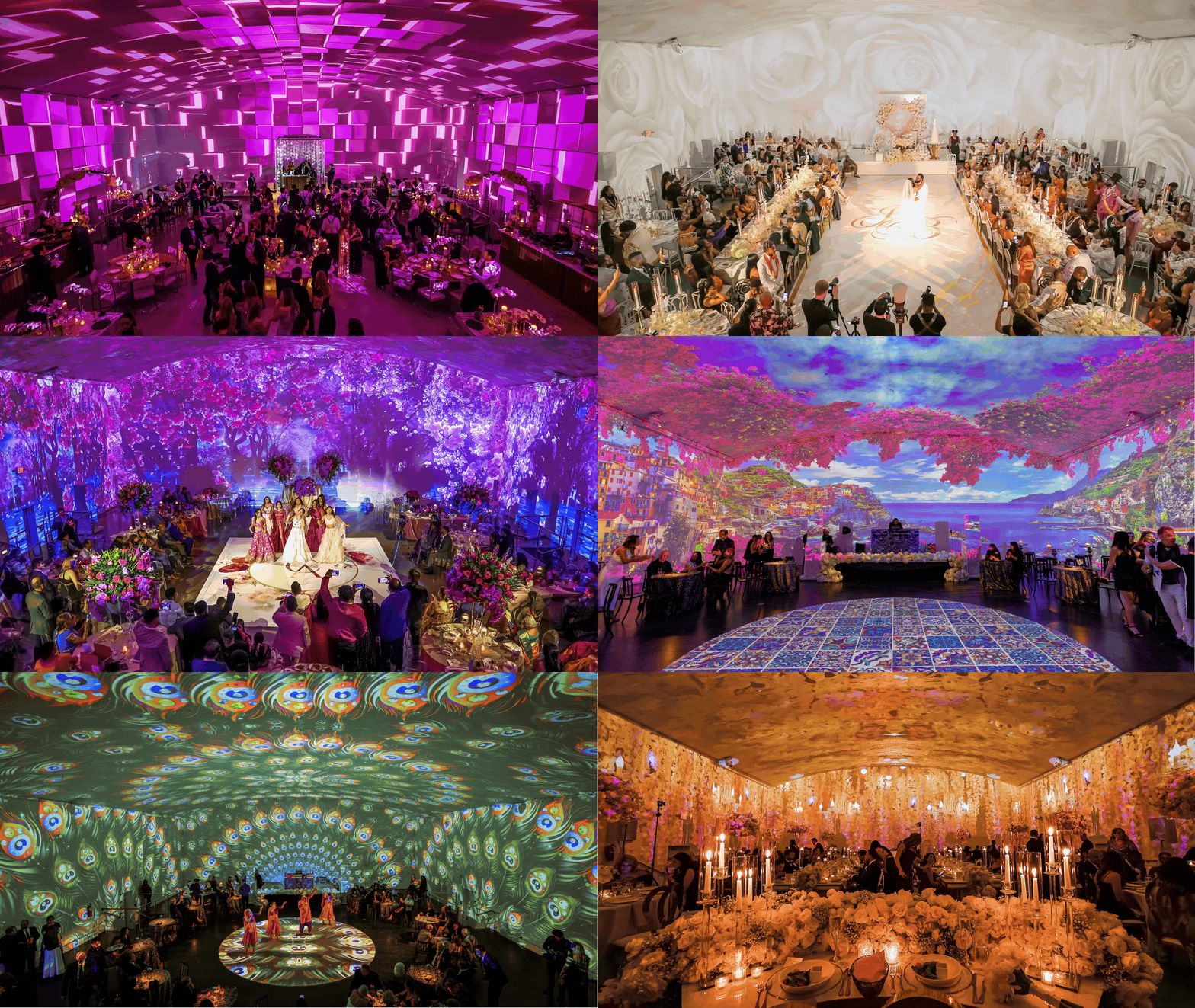
One Stat That Explains the Shift
This change isn’t anecdotal. It’s measurable.
91% of consumers say they feel more positively about a brand after attending a live, experiential event, and 85% are more likely to purchase after participating in one.
(according to a 2025 EventTrack and the Harris Poll)
Tracking and forecasting attendance using CRM data, past registration figures, and attendee journeys is crucial for personalizing experiences and optimizing event planning. For example, analyzing previous attendance numbers can help determine the ideal event size and tailor engagement strategies to better align with attendee preferences and behaviors.
That data matters because it confirms what planners already feel intuitively: people don’t just remember events — they respond to experiences. Emotion drives memory, loyalty, and connection.
Venue Choice Determines Whether Your Vision Is Possible
Authorship only works if the space allows it.
Some venues require ideas to adapt to the room. Others allow the room to adapt to the idea. That difference quietly determines how much creative control a planner actually has. Conducting a site visit is essential to assess the suitability of a Miami event venue, confirm logistics, and ensure the space aligns with your vision.
When a venue is fixed, personalization becomes additive. You layer meaning on top of a space that was never designed to change. The result may be polished, but it rarely feels authored. Event planners in Miami often emphasize the importance of venue selection in creating memorable corporate events.
A Miami event venue built for transformation works differently. Architecture, light, and surface become tools. The environment participates in the story rather than simply containing it. Working with reliable vendors is also crucial to ensure seamless event execution and that all service standards are met.
That’s when authorship becomes possible.
Want to learn more about choosing the right Miami event venue? We created this guide for you - How to Choose a Destination Event Venue That Actually Delivers on the Vision (2026 Guide)
How Planners Move From Coordination to Creative Control
The planners delivering the strongest experiences aren’t doing more. They’re doing something different.
The corporate event planning process involves multiple stages—such as validation, orchestration, engagement, monitoring, and scaling—to ensure creative control and deliver a seamless experience.
They begin by defining the emotional arc:
What should guests feel immediately upon arrival?
Where should energy rise?
Where should it slow?
How should the experience resolve?
When the environment supports that, guests feel included in the experience.
That’s creative control.
Planning ahead is essential for successful event execution, as it allows for better budgeting, optimal Miami event venue selection, and flexibility in addressing unforeseen challenges.
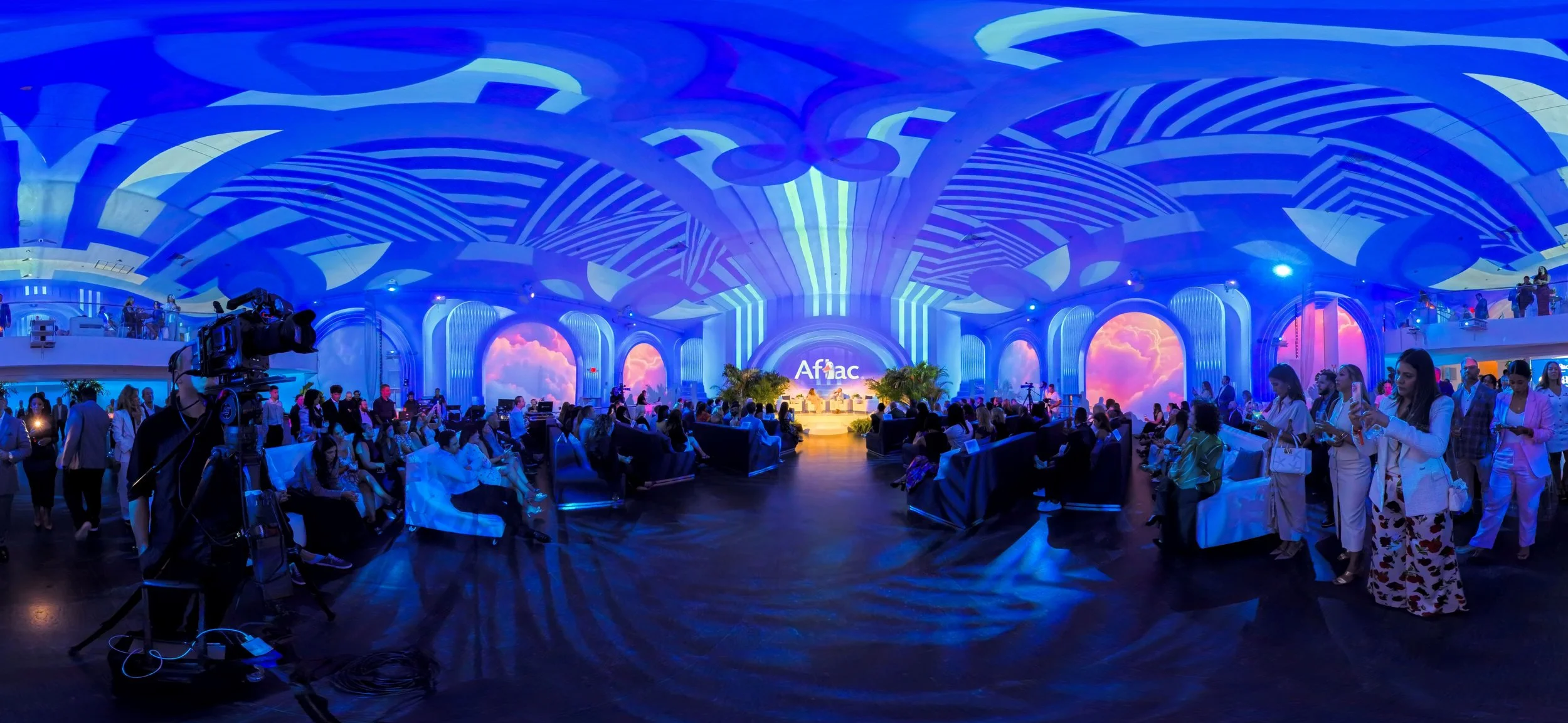
Why Full Privacy Changes the Process
One of the most underestimated advantages in experiential design is full privacy.
One host.
One guest list.
One uninterrupted vision.
When a venue belongs entirely to a single event, planners don’t have to compromise creative decisions to accommodate shared spaces or resets. The experience can build naturally from arrival through close.
Guests feel that continuity immediately, even if they don’t consciously notice it.
A Planner’s Checklist: Are You Hosting or Authoring?
Ask yourself:
Does the environment communicate intention immediately?
Can the space evolve with the experience?
Does the venue allow full creative ownership?
Are decisions reinforcing one emotional arc?
Does the room reduce friction rather than create it?
Are you considering the experience of each person attending the event?
If most answers are yes, you’re authoring.
We also provide a more in depth checklist to help - The Destination Event Planning Checklist for 2026: What Fails Most Often—and Why
Why This Is the Future of Event Planning
Expectations have changed. Planners feel it in every briefing, even when it’s not said outright.
People don’t want more elements. They want more meaning.
Authorship shifts the planner’s role from coordinator to designer of experience. It protects creative value and elevates the work beyond logistics.
Promoting these authored experiences is essential for driving engagement and inspiring industry change, ensuring that each miami event venue stands out and reaches its intended audience.
That’s not a trend. That’s the future of the industry.
Designing Events That Feel Intentional From the First Step Inside
The most powerful events don’t ask for attention. They earn it.
When the environment reflects a clear vision, guests recognize it instantly. When the venue supports transformation, planners gain creative control. And when an experience is authored rather than assembled, it becomes something people remember long after the night ends.
High-quality service is essential in a Miami event venue, ensuring every detail is managed with care and creating intentional, memorable experiences for every guest.
If you’re a planner asking yourself whether you can deliver that level of experience — this is where that conversation begins.
Frequently Asked Questions
What does it mean to author an event experience?
Authoring an experience means designing the emotional flow of an event, not just coordinating its logistics. It’s about shaping how the environment feels from arrival through close.
Why does venue choice matter for experiential design?
Because the venue determines whether ideas must adapt to the space or the space can adapt to the idea. Authorship requires a venue capable of transformation.
How does The Temple House support planners?
We collaborate early, using the venue itself as a creative canvas so planners can design immersive, cohesive environments rather than layering elements onto a fixed room.
Why are authored experiences important for corporate and destination events?
Because guests arrive with higher expectations. Authored experiences create emotional connection, memorability, and confidence that the event was worth the investment.
Where is The Temple House located?
The Temple House is located in Miami, Florida, in the heart of South Beach.
Want to dig deeper into immersive event planning?
Experiences at Our Miami Event Venue Are Built for Immersion
Miami attracts hosts and brands who arrive with vision. They don’t want their event to feel borrowed or interchangeable. They expect it to feel expressive, intentional, and unmistakably theirs.
That expectation shows up early in the process.
Clients aren’t asking us how many breakout rooms we have or how flexible the floor plan is. They’re asking a different question: How do we keep people engaged without forcing it? How do we create moments that feel natural, connected, and alive—without overprogramming the agenda?
At The Temple House, immersion isn’t something we layer onto an event. It’s how the space is designed to function from the start.
The venue itself becomes the framework for engagement.
When Engagement Is Designed Into the Environment
In many corporate events, breakout sessions are treated as functional pauses—necessary, but disconnected from the larger experience. We see them differently.
Engagement doesn’t come from filling time. It comes from continuity.
When the environment carries the experience, breakout moments don’t feel like side sessions. They feel like chapters in the same story. Guests move through the space intuitively, without needing direction, signage overload, or constant explanation.
We design environments where:
Smaller conversations feel intentional, not fragmented
Movement through the space feels fluid, not logistical
Transitions between moments feel natural, not abrupt
That’s what keeps energy high without exhausting the room.
Why Flexibility Matters More Than Floor Plans
From our perspective, flexibility isn’t about how many configurations a room can support. It’s about whether the environment can adapt to the rhythm of the event.
Some moments require focus.
Others benefit from openness.
Some call for energy.
Others need space to breathe.
When the venue can shift with those needs—visually, spatially, atmospherically—planners gain control without adding complexity. Breakout moments, workshops, or smaller group experiences feel integrated because they’re supported by the same environment, not carved out of it.
That’s when engagement feels effortless.
Designing Corporate Experiences That Feel Human
What we’re seeing more often—especially with corporate and brand events—is a desire to make gatherings feel less transactional and more human.
Clients want their teams and guests to connect without being told to network. They want learning moments to feel engaging without feeling staged. They want people to remember how the event felt, not just what was covered.
When the environment is immersive, those outcomes happen naturally.
The room does some of the work.
The atmosphere sets the tone.
The experience invites participation instead of demanding it.
What Experiential Events Look Like in Practice
Authored experiences don’t announce themselves. They unfold.
We’ve created environments that evolve subtly over the course of an event—where light, sound, and visual elements shift to support what’s happening in the room. Energy builds when it should. Focus settles in when it’s needed. The space responds without drawing attention to itself.
Guests don’t talk about individual sessions or moments. They talk about how the event felt as a whole.
That’s how you know the experience was authored, not assembled.
Why This Matters for Planners
For planners, this approach changes everything.
Instead of managing engagement, you’re guiding it.
Instead of filling an agenda, you’re shaping an experience.
Instead of fighting the space, you’re working with it.
That’s the advantage of a Miami event venue built for immersion. It allows planners to do what they do best: design experiences that feel cohesive, intentional, and memorable—without unnecessary friction.
Key Takeaway
Immersive events aren’t defined by more programming or more technology. They’re defined by clarity of intention and environments that support it.
When the space is designed to transform, engagement stops being a problem to solve and becomes a natural outcome of the experience itself.
That’s the difference between hosting sessions and authoring moments—and it’s the standard we design for every event that comes through our doors.