The Destination Event Planning Checklist for 2026: What Fails Most Often—and Why
Destination events are seductive. They promise escape, energy, and a sense of arrival before the doors even open. The photos look incredible. The pitch decks sell transformation. On paper, everything feels elevated long before the first guest arrives, and the location itself often becomes the headline.
But experienced planners know the truth: the destination alone doesn’t carry the event. Behind every successful destination-style experience is a web of decisions that never make it into the deck—travel friction, accessibility, timing, load-ins, cultural context, guest expectations. When those details are underestimated or addressed too late, even the most beautiful location can turn into unnecessary stress on show day.
That’s why this isn’t inspiration—it’s a planning checklist. A practical breakdown of what destination-style events actually require

The Temple House immersive destination-style event production
As a venue, we see the full arc—from early conversations and design decks to load-in, rehearsals, show flow, and guest experience. We see what planners anticipate well. And we see what gets underestimated until it’s too late. What makes destination events unique is the need to align audience needs with attendee demographics, including dietary and accessibility requirements, to ensure an inclusive experience for all guests.
Here’s the truth in 2026: destination events don’t struggle because planners lack vision. They struggle when logistics, infrastructure, and decision-making aren’t aligned early enough. Destination events often require extended lead times of 6–12 months for planning.
We work with destination-minded clients year-round—corporate teams, agencies, and planners bringing guests in from across the country and around the world. The events that succeed do so for one reason: they plan differently.
This checklist reflects what we guide clients through every day—not theory, not trends, but real-world pressure points that determine whether a destination event feels effortless or exhausting.
This isn’t a theoretical guide. This is a checklist built from what actually breaks in real destination events—and what works when the pressure is on.
If you’re planning a destination event this year, remember that the event’s purpose should guide your choice of location and event design. Selecting the right venue and date is essential based on your event goals and audience availability. Read this before you sign another contract.
Be sure to also read our in-depth guide Top 10 Immersive Event Ideas That Redefine Corporate Experiences in 2026
The Hard Truth About Destination Events in 2026
Destination events carry higher expectations by default.
Guests have traveled. Leadership is present. The event isn’t just an experience—it’s a statement. And because of that, tolerance for friction is almost zero.
What’s changed in recent years is the margin for error. Budgets are tighter. Timelines are compressed. And production expectations continue to rise. It’s more important than ever to be prepared for unforeseen challenges that can arise during planning and execution.
From a venue perspective, we see that success comes down to one thing: how early teams shift from inspiration to execution.
The sooner decisions become operational, the smoother everything becomes.
To further ensure success, planners should maintain a contingency fund of 10–15% to cover unexpected costs that may occur during destination event planning.

Full-room projection and staging at The Temple House
The Destination Event Planning Checklist We Use With Clients
This is the foundation we walk through with destination-focused clients before production begins. Planning and organizing event details—such as coordinating vendors, finalizing programs, and managing logistics—ensures nothing is overlooked.
If these items aren’t addressed early, they surface later—usually under pressure.
Creating detailed timelines helps ensure every moment of the event runs smoothly. This is the part most decks skip — and the part that determines whether your event runs smoothly or unravels quietly behind the scenes.
Destination Event Planning Checklist for 2026
Venue infrastructure reviewed at a production level
Go beyond square footage. Confirm power capacity, rigging points, ceiling height, weight limits, load-in access, elevator sizes, and truck routes. Know exactly what the space can handle before creative gets locked.
Production capabilities aligned with the creative scope
Make sure your venue and production team can support the vision you’re selling — not just aesthetically, but technically. Projection, lighting, audio, control rooms, and staffing all need to scale to the idea.
Run-of-show requirements confirmed early
Keynotes, reveals, transitions, cue timing, blackout moments — map them early. The more complex the experience, the earlier this needs to be locked so nothing feels rushed or improvised on show day.
Shipping vs. local sourcing decisions made intentionally
Decide what must ship and what can be sourced locally. Shipping adds risk, cost, and timing pressure. Local sourcing adds flexibility. Be deliberate — not reactive.
Weather and environmental contingencies reviewed and approved
Even indoor events are affected by weather. Heat, humidity, storms, wind, and transportation disruptions should all have a clear plan approved by stakeholders before the event.
Seasonal weather patterns researched
Don’t just check the forecast — check the season. Avoid peak hurricane months, extreme heat windows, or high-traffic weekends that could impact guest experience and logistics.
Power redundancy planned and tested
Primary power isn’t enough. Backup power plans should be documented, tested, and understood by the production team. This is non-negotiable for immersive or tech-forward events.
Guest arrival, transportation, and flow mapped clearly
How guests arrive sets the tone. Valet, rideshare, shuttles, security, check-in, wayfinding — all should feel intentional, intuitive, and stress-free from curb to cocktail.
Rehearsal time protected on the calendar
Rehearsals are not optional. Protect time for tech runs, content playback, speaker walk-throughs, and cue timing. This is where confidence is built — and chaos is avoided.
Program finalized with purpose
Every moment should serve the event’s objective. Cut filler. Tighten transitions. Make sure the program supports the story you’re telling, not just the schedule you’ve inherited.
Guest engagement designed, not assumed
Plan how guests will interact — with the space, the content, and each other. Whether in-person, hybrid, or fully immersive, engagement should feel seamless, not forced.
Clear on-site decision authority established
Decide before show day who has final say. When something changes — and it will — clarity prevents delays, second-guessing, and unnecessary escalation.
This checklist isn’t about limiting creativity. It’s about protecting it.
Common Destination Event Issues We Help Prevent
We don’t “walk other venues,” but we do see consistent issues across the industry when clients arrive with destination-level expectations and local-level planning assumptions. Organization is crucial in managing the complexities of a destination event, as it involves structuring resources, planning, and coordinating budgets, timelines, and team members.
These are the most common gaps we help close. A structured event management process is key to ensuring that all aspects of a destination event are well-coordinated and executed efficiently.
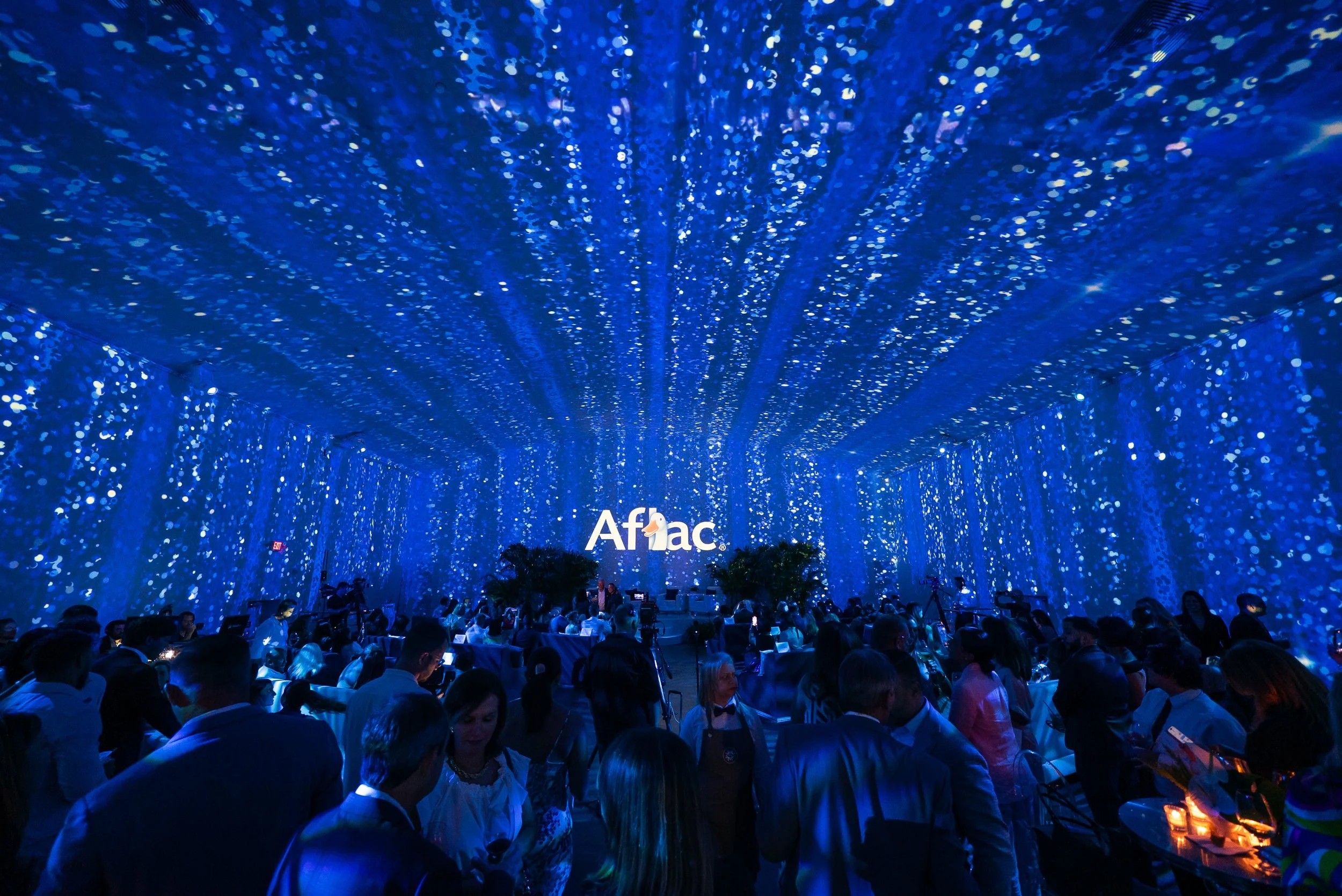
High-end guest arrival experience at a destination event venue
Misalignment Between Vision and Infrastructure
Beautiful concepts only work when the venue can fully support them.
As a production-forward venue, we spend a significant amount of time upfront aligning creative intent with real infrastructure—power, load-in access, ceiling height, rigging, sound control, and run-of-show flow. Allocating the right resources, such as budget, time, staff, and materials, is crucial to support the event vision and ensure everything runs smoothly.
Where destination events struggle is when those conversations happen too late.
When planners engage venues early as strategic partners—not just locations—the design becomes smarter, faster, and more resilient. Working with reliable vendors, such as local caterers and AV teams, and thoroughly understanding contracts is essential for successful execution.
Underestimating Shipping, Timing, and Dependencies
Destination events often rely on shipped elements—custom builds, specialty décor, branded assets, or technology.
What we help clients think through early is dependency risk: What happens if an element is delayed? What can be modular? What can be sourced locally? What truly must arrive intact? Managing and organizing tasks efficiently is crucial to avoid delays and ensure all dependencies are addressed on time.
In 2026, the strongest destination events are designed to adapt—not panic. When budgeting for shipping and sourcing, it's essential to plan for hidden costs such as taxes and exchange rates.
Treating Contingency Planning as a Form Requirement
Every destination event has contingencies on paper. Few are truly executable.
From our perspective, effective contingency planning means asking hard questions early: Can this pivot happen with the crew on site? Is there time? Is power already in place? Has this been rehearsed? It is crucial to develop a comprehensive contingency plan that addresses these scenarios in detail.
Backup plans only work if they’re operationally realistic. Having backup plans and technical expertise is essential for handling unexpected challenges during events.
Managing Event Operations at a Distance
Managing event operations from afar is a true test of an event planner’s meticulous planning and coordination skills. Every event detail—from the initial venue walkthrough to the final catering order—must be locked in well before anyone sets foot on site. The key is to anticipate challenges and stay ahead of them, using technology to bridge the distance. Regular check-ins with vendors, stakeholders, and local partners help ensure nothing slips through the cracks. Clear communication is non-negotiable; misunderstandings can quickly derail even the best-laid plans. Tracking expenses in real time is equally important, allowing event planners to make informed decisions and keep the event within budget. When every moving part is managed with precision, the event runs smoothly, no matter how far away the planning team may be. Success comes down to preparation, proactive problem-solving, and a relentless focus on the guest experience.
Marketing and Promotion Pitfalls in Destination Events
A destination event’s success hinges on more than just logistics—it’s also about getting the right people in the room. Event planners need a marketing plan that not only reaches the target audience but also resonates with them. That means understanding the event’s purpose, tailoring messaging to local and cultural nuances, and choosing the right channels to create awareness. Social media and local advertising can amplify your reach, while sharing all the pictures and live updates helps build excitement and engagement before, during, and after the event. But it’s easy to misjudge what will connect with attendees, or to overlook the importance of allocating budget to the most effective marketing strategies. The best event planners determine their audience early, craft a story that inspires participation, and use every tool available to showcase the event and drive attendance. When marketing is intentional and audience-focused, the event’s impact grows exponentially.
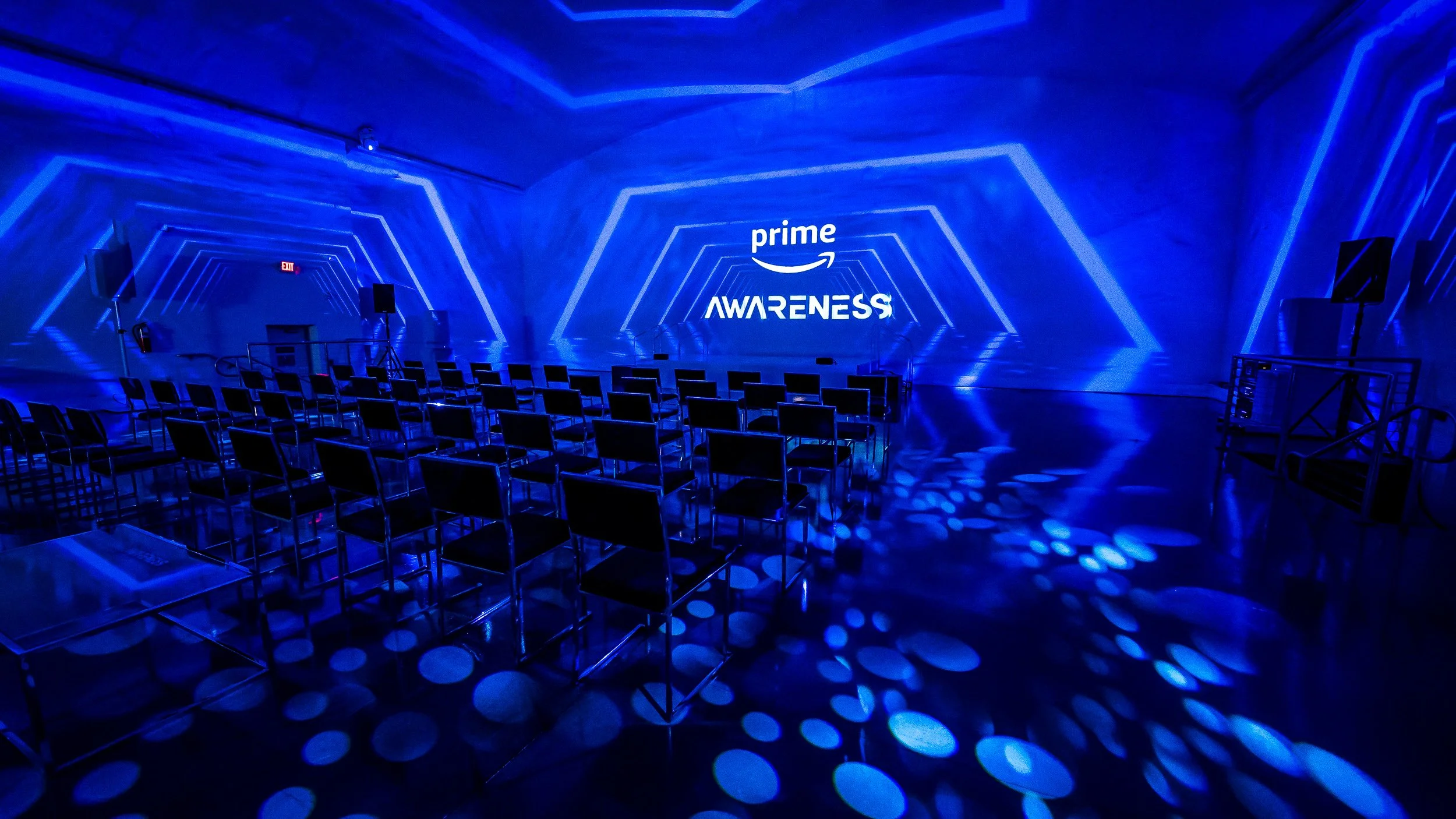
Luxury corporate destination event setup at The Temple House
What We See Work Best in Successful Destination Events
The strongest destination events we host share a few things in common.
They make decisions early. They simplify where it matters. And they treat the venue as part of the planning team—not a backdrop.
We see events succeed when planners focus on experience over excess, pacing over scale, and clarity over complexity. Delivering high-quality service is essential to create lasting memories for guests, ensuring every detail is attended to with care. Luxury event planning operates on a level of precision and sophistication that exceeds standard event planning. Curated menus, exceptional dining experiences, and iconic locations all contribute to memorable luxury events that leave a lasting impression.
From our side, the smoothest events are the ones where planners ask better questions earlier—and listen closely to the answers.
Accommodating Guests: The Overlooked Essentials
Accommodating guests is one of the most critical—and most overlooked—aspects of destination event planning. Event planners must go beyond the basics to ensure every attendee, from VIP guests to those with special needs, feels valued and comfortable. This starts with clear, timely communication: provide detailed information about the event schedule, location, dress code, and amenities so guests know exactly what to expect. The venue should be accessible to all, with thoughtful touches like convenient parking, accessible restrooms, and diverse food options. Creating a welcoming atmosphere means anticipating needs before they arise and making every guest feel like a priority. When event planners focus on these details, they create an environment where attendees can relax, connect, and fully enjoy the experience—leaving a lasting impression that extends far beyond the event itself.
The Biggest Planning Mistake We Still See
The most common mistake we encounter is approaching destination events like standard local events—just with travel layered on top. Destination events, when planned strategically, can support business growth and development by providing unique opportunities for networking, brand exposure, and team building.
Destination events require a different planning mindset. Well-executed corporate events, including meetings and conferences, can elevate business meetings and create impactful experiences that drive success.
They demand earlier lock-ins, clearer authority, tighter production alignment, and more disciplined decision-making. When teams adjust their process accordingly, the event feels seamless.
When they don’t, friction shows up fast.
Creating a cohesive design and atmosphere is vital for enhancing the overall experience of corporate events.
Event Staffing and Volunteers: Getting It Right Remotely
Building a skilled team is essential for flawless execution, especially when planning a destination event from a distance. Event planners must recruit professionals and volunteers who are not only capable but also adaptable and proactive. Remote coordination requires clear communication—every team member should understand their role, the event’s goals, and the plan for setup and execution. Leveraging technology like video calls and project management platforms keeps everyone aligned, no matter where they are. Ongoing support and training empower the team to problem solve on the fly, ensuring that any challenge is met with confidence. When event planners invest in their team and volunteers, they create a culture of ownership and excellence that shows in every aspect of the event.
Leveraging Technology in Destination Event Planning
In 2026, technology is the backbone of successful destination event planning. Event planners rely on digital tools to track expenses, manage vendors, and keep every detail organized from start to finish. Event management software streamlines the planning process, while social media and live updates keep guests and stakeholders engaged in real time. Technology also makes it easier to communicate with volunteers, coordinate logistics, and bring the event vision to life—whether it’s a gala, conference, or wedding. By embracing the right tech, event planners can create seamless experiences for attendees, showcase all the pictures and moments that matter, and ensure every aspect of the event is managed with precision. The result? Less stress, more impact, and an event that lives up to its promise.
Who This Checklist Is Built For
This guide is written for planners, agencies, and teams responsible for outcomes—not just aesthetics.
It’s for professionals producing destination-level corporate events, brand activations, and high-profile gatherings where execution matters as much as concept.
It’s not built for last-minute planning or “we’ll figure it out onsite” approaches.
Destination events reward preparation. Apply these principles to your next event to ensure even greater success.
Also check out our Ultimate 2026 Corporate Event Planning Guide to Bold, Unforgettable Experiences for more helpful tips!
Final Perspective From the Venue Side
When destination events work, they feel effortless to the guest.
What guests never see is the discipline behind that ease—the early decisions, the realistic planning, and the alignment between venue, production, and vision. Clear communications among all persons involved, including presenters and attendees, are essential to ensure everyone is informed and coordinated. A dedicated event website can facilitate effective communication before and during the event, keeping everyone updated. Real-time updates and monitoring allow the team to address any issues promptly and keep the event on track. Attention to the stage setup and key event moments ensures seamless transitions and impactful experiences for everyone involved.
From our vantage point, the difference between a stressful destination event and a successful one is almost always preparation. Hiring a team of experts in various fields ensures that every detail of the event meets high standards.
An experienced venue team doesn’t just provide a space. They help protect the experience.
FAQ: Destination Event Planning in 2026
Q: What causes most destination events to struggle?
A: Late decisions. Infrastructure and logistics need to be aligned early to avoid stress and compromises. Having clear goals and measurable objectives from the outset is essential for effective event planning and execution.
Q: How early should venues be involved in destination event planning?
A: As early as possible. Early collaboration leads to better design and fewer surprises.
Q: Are destination events riskier than local events?
A: They can be if planned the same way. When approached with the right framework, risk is manageable. A structured event management process acts as a roadmap, providing guidance from planning to execution.
Q: What should planners confirm with a venue early on?
A: Production capabilities, infrastructure limits, run-of-show flow, and contingency options. It's also important to establish a detailed budget and track expenses diligently to avoid overspending and adjust as needed.
Q: How do venues help reduce destination event risk?
A: By identifying constraints early, aligning production realities, and guiding smarter execution. Effective presentation and execution, including visual appeal and seamless coordination, are key to reducing risk and ensuring a successful event.
Q: How can planners generate interest in a destination event?
A: Developing a comprehensive marketing plan is crucial to generate interest and boost audience engagement. Leveraging promotional strategies helps create curiosity and awareness, driving attendance.
Q: What does effective execution of a destination event involve?
A: Effective execution involves overseeing the setup, coordinating a skilled team to cover all aspects, and handling unexpected challenges. Meticulous planning and coordination ensure all elements function seamlessly.