How to Choose a Destination Event Venue That Actually Delivers on the Vision (2026 Guide)
Here’s the reality most planners don’t hear often enough:
The venue you choose will determine whether your destination event succeeds—or spends the entire process fighting uphill.
A destination event is any gathering held in a location away from attendees' homes, blending the event's purpose with travel and unique experiences. Popular types of destination events include corporate incentives, destination weddings, adventure trips, and major festivals or sporting events.
From our side of the experience, this is obvious. We don’t just see the highlight moments. We see load-in. We see rehearsals. We see where timelines tighten, where assumptions surface, and where decisions made months earlier either protect the event—or quietly limit it.
In 2026, destination events carry more weight than ever. Guests have traveled. Leadership is present. The expectations are elevated before the doors even open. Destination events often require extended lead times of 6–12 months for planning.
Choosing the right destination event venue is no longer about beauty alone. It’s about whether the venue can actually deliver on the vision and align with the event's purpose when pressure is real. Many destination events span multiple days and include social outings and group excursions.
This guide breaks down how planners should evaluate destination venues today—based on what we’ve seen work, what consistently causes friction, and what separates seamless events from stressful ones. Meticulous planning is essential for ensuring every detail of a destination event is flawlessly executed.

The Temple House luxury destination corporate event venue interior
Why Venue Choice Is the Single Most Important Decision You’ll Make
Every event has constraints. The venue defines them. Selecting the right venue and date is essential based on the event goals and audience availability.
The venue determines how much power is available. How sound travels. How flexible the room is. How efficiently teams can load in and out. How quickly issues are resolved when something shifts. It is also crucial to research typical weather patterns for your chosen date to avoid planning during extreme seasons.
From our perspective, most compromises that show up late in the process trace back to venue selection. Once the venue is locked, everything else—design, production, run-of-show—has to adapt to it.
That’s not a problem if the venue is built for it.
In destination events especially, the venue becomes more than a setting. It becomes the operational backbone of the entire experience.
There was no clearer example of this, than When Lamborghini Took Over For Miami Art Week
The 2026 Destination Venue Selection Checklist
If planners are evaluating destination venues this year, this checklist provides a clear framework. Be sure to include a well-organized setup process and a detailed event schedule to coordinate activities, vendors, and logistics.
Assess venue accessibility and transportation options
Evaluate on-site accommodations and amenities
Review local vendor availability and support services
Confirm technical capabilities and backup plans
Ensure compliance with local regulations and permits
Plan for a thorough setup, including timelines and technical arrangements
Develop a comprehensive event schedule to keep everything on track
A well-structured event management process acts as a roadmap, guiding you from planning through execution. Creating detailed timelines and overseeing the setup help ensure every moment of the event runs smoothly and objectives are achieved.
Destination Event Venue Checklist
Proven experience hosting high-stakes destination events
Production-ready infrastructure (power, rigging, acoustics, load-in)
Transparent communication around capabilities and limits
Experienced on-site leadership on show day
Support for rehearsals and run-of-show execution
Ability to adapt under pressure without disrupting the experience
Technology and design integration capabilities
Clear processes for contingency planning
When these elements are present, everything downstream improves. Also be sure to read our Ultimate 2026 Corporate Event Planning Guide to Bold, Unforgettable Experiences for more helpful tips.

Immersive destination event production at The Temple House
What Planners Should Look for Beyond Location and Aesthetics
Location matters. Design matters. But they’re only the starting point.
What separates destination venues that deliver from those that struggle is what’s underneath the surface. Strong organization, including structured planning, resource allocation, and coordination with stakeholders, is essential. Additionally, understanding local culture and regulations—such as securing necessary permits and licenses—is critical for a successful destination event.
Production-Readiness Is Non-Negotiable
In 2026, destination events are production events—whether they’re branded as such or not.
Planners should be evaluating venues on real infrastructure:
Power capacity and distribution
Ceiling height and rigging capability
Load-in logistics and access
Sound control and acoustics
Technology integration
A structured event management process is key to ensuring that all aspects of a destination event are well-coordinated and executed efficiently.
From our side, the smoothest events are the ones where production conversations start early and honestly. Assembling a skilled team and working with reliable vendors, such as local caterers and AV teams, is essential, and it’s important to thoroughly understand all contracts involved. When venues are designed for immersive experiences, planners don’t have to fight the room to bring a vision to life.
Operational Experience Matters More Than Promises
A venue’s experience isn’t defined by how many events it’s hosted—it’s defined by what kind.
Destination events bring pressure: tight schedules, complex cues, high-profile guests, and little tolerance for error. Venues that operate confidently in those conditions behave differently. They anticipate needs. They communicate clearly. They don’t scramble when something changes. Clear goals and effective communications and collaboration among team members are essential for successful event execution.
That experience shows up in small but critical ways—how teams staff show day, how decisions are made, how calmly challenges are handled.
Flexibility Is About People, Not Policies
Every venue has rules. What matters is how they’re applied in real situations.
From our perspective, flexibility isn’t chaos—it’s competence. It’s knowing when to hold the line and when to adapt to protect the experience.
Destination events always evolve. The right venue team knows how to adjust without derailing production or guest flow. Being prepared, able to problem solve quickly, and staying ahead of potential challenges are essential for ensuring a seamless event.
Questions We Encourage Planners to Ask Early
These questions don’t just gather information—they reveal how a venue actually operates.
We encourage planners to ask:
Who is on-site on show day, and what authority do they have to make decisions?
What production limits are absolute, and what is flexible?
How does the venue support rehearsals and run-of-show execution?
How are last-minute changes handled operationally?
What systems are in place for power, technology, and contingency planning?
It’s also essential to clarify who is responsible for specific tasks, how the event schedule will be managed, and how stakeholders are involved throughout the planning process to ensure a successful destination event.
The answers matter more than how confidently they’re delivered.

Full-room projection and lighting design at a destination event venue
Common Evaluation Gaps We See Across the Industry
From our vantage point, destination events struggle when planners evaluate venues too narrowly.
We see issues arise when:
Venues are chosen for look without understanding operational realities
Production conversations are delayed until after contracts are signed
Teams assume flexibility instead of confirming it
Infrastructure is treated as a detail rather than a foundation
These aren’t failures of intent. They’re gaps in process.
To address these gaps, it is crucial to develop a comprehensive marketing plan to generate interest in the event and reach your target audience. Additionally, planners should consistently track progress and diligently track expenses throughout the planning process to stay within budget and make necessary adjustments.
When planners expand how they evaluate venues, outcomes improve dramatically.
Event Budgeting and Cost Management
For event planners, effective budgeting is the backbone of a successful event. Before any contracts are signed or marketing plans are launched, it’s essential to create a detailed budget that tracks expenses across every aspect of the event—from venue rental and catering to entertainment and promotional efforts. By mapping out all anticipated costs and allocating resources wisely, planners can ensure the event runs smoothly and stays within financial boundaries.
A well-structured budget doesn’t just prevent overspending; it helps determine the level of quality and atmosphere you can deliver. Allocating funds for contingencies is equally important, as unexpected expenses can arise at any stage. By tracking expenses closely and adjusting the plan as needed, event planners can make informed decisions that support the event’s vision and success. Ultimately, meticulous budgeting empowers planners to maximize resources, deliver a memorable experience, and avoid last-minute financial surprises.
Event Technology and Innovation
In 2026, event technology is a game-changer for both event planners and attendees. Leveraging innovative tools—like mobile apps, interactive platforms, and real-time communication systems—enables planners to manage event details with precision and create engaging experiences for participants. These technologies streamline everything from registration and ticketing to live updates and audience participation, ensuring that every aspect of the event is organized and accessible.
By integrating technology into the event’s core, planners can provide attendees with instant information, facilitate seamless communication, and encourage active involvement throughout the program. Whether it’s through interactive presentations, live polls, or social media integration, embracing innovation helps create a dynamic atmosphere that sets your event apart. For event planners aiming to deliver flawless execution and memorable moments, staying ahead with the latest event technology is essential.
Sustainable Event Practices
Sustainability is no longer a trend—it’s a standard for event planners who want to create high-quality, responsible events. Implementing sustainable practices can range from reducing waste and choosing recyclable materials to partnering with venues that prioritize eco-friendly operations. Encouraging attendees to use public transportation or carpool, and offering incentives for green behaviors, further supports these efforts.
By making sustainability a core part of the event planning process, planners not only reduce the event’s environmental impact but also enhance its reputation among attendees who value eco-consciousness. Sustainable practices can lead to cost savings, improve the overall quality of the event, and create a positive atmosphere that resonates with participants. For planners looking to create events that matter, sustainability is a key ingredient for long-term success.
Accessible and Inclusive Events
Ensuring accessibility and inclusivity is fundamental for event planners committed to creating welcoming experiences for all attendees. When selecting a venue and designing the event, it’s crucial to consider the diverse needs of participants—whether that means providing wheelchair access, sign language interpretation, or other accommodations. Prioritizing accessibility not only meets legal requirements but also demonstrates a genuine commitment to every guest’s experience.
Fostering an inclusive atmosphere goes beyond physical accessibility; it involves promoting diversity, equity, and respect throughout the event. By making inclusivity a priority, event planners can boost attendance, enhance the event’s atmosphere, and ensure that every attendee feels valued and engaged. In today’s event landscape, accessibility is not just a consideration—it’s a cornerstone of successful event planning.
Venue Site Inspection
A comprehensive venue site inspection is a non-negotiable step for event planners aiming for flawless execution. Visiting the site in person allows planners to assess the venue’s suitability, from space and layout to amenities and overall quality. During the inspection, it’s important to identify any potential hazards, limitations, or logistical challenges that could impact the event.
Meeting with venue staff and vendors on-site provides an opportunity to discuss expectations, develop solutions, and confirm that everyone is aligned on the event’s requirements. This hands-on approach helps event planners anticipate issues before they arise, ensuring the location supports the event’s vision and operational needs. By making site inspections a standard part of the planning process, planners set the stage for a successful event and minimize the risk of last-minute surprises.
What an Experienced Destination Venue Team Actually Does
A destination venue isn’t just providing space. At its best, it’s guiding execution.
From our side, experienced venue teams:
Translate vision into executable reality
Identify constraints early—before they become problems
Support pacing, flow, and guest experience
Provide calm leadership during pressure moments
Protect the integrity of the event when conditions shift
Having a team of seasoned professionals and dedicated volunteers is essential to ensure every detail meets the highest standards and the event runs smoothly. Impeccable service, from Champagne service to attentive on-call support, is key to creating memorable experiences for every guest. Capturing memories and highlighting each significant moment through professional photography and videography preserves the emotional impact of the event. Luxury events often feature curated menus and exceptional dining experiences, further elevating the sense of exclusivity and personalization.
This is why venue experience matters so much. When the team understands production, planning becomes easier—not harder.
Why Destination Events Feel Different When the Venue Is Right
Guests may not articulate it, but they feel it.
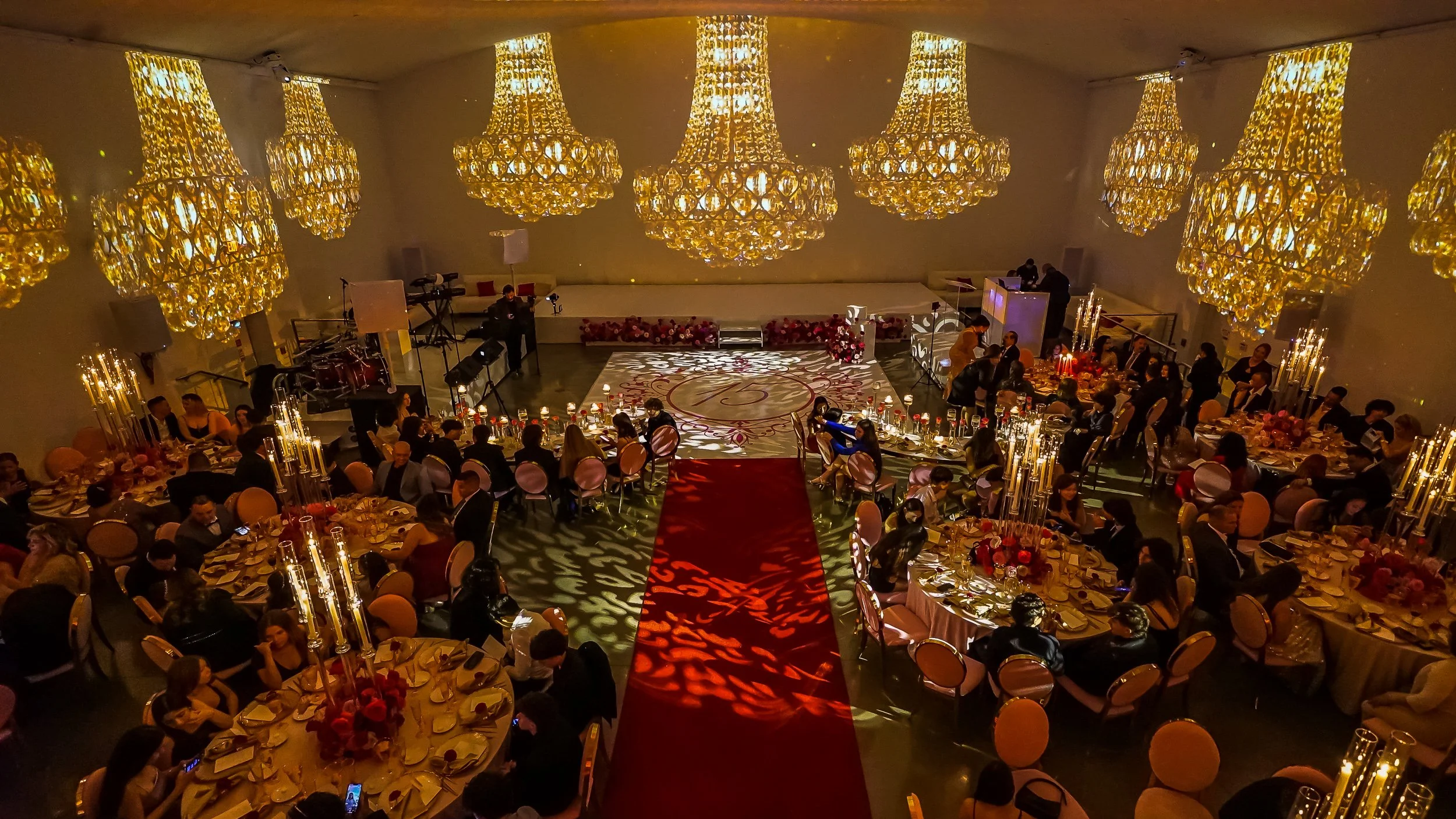
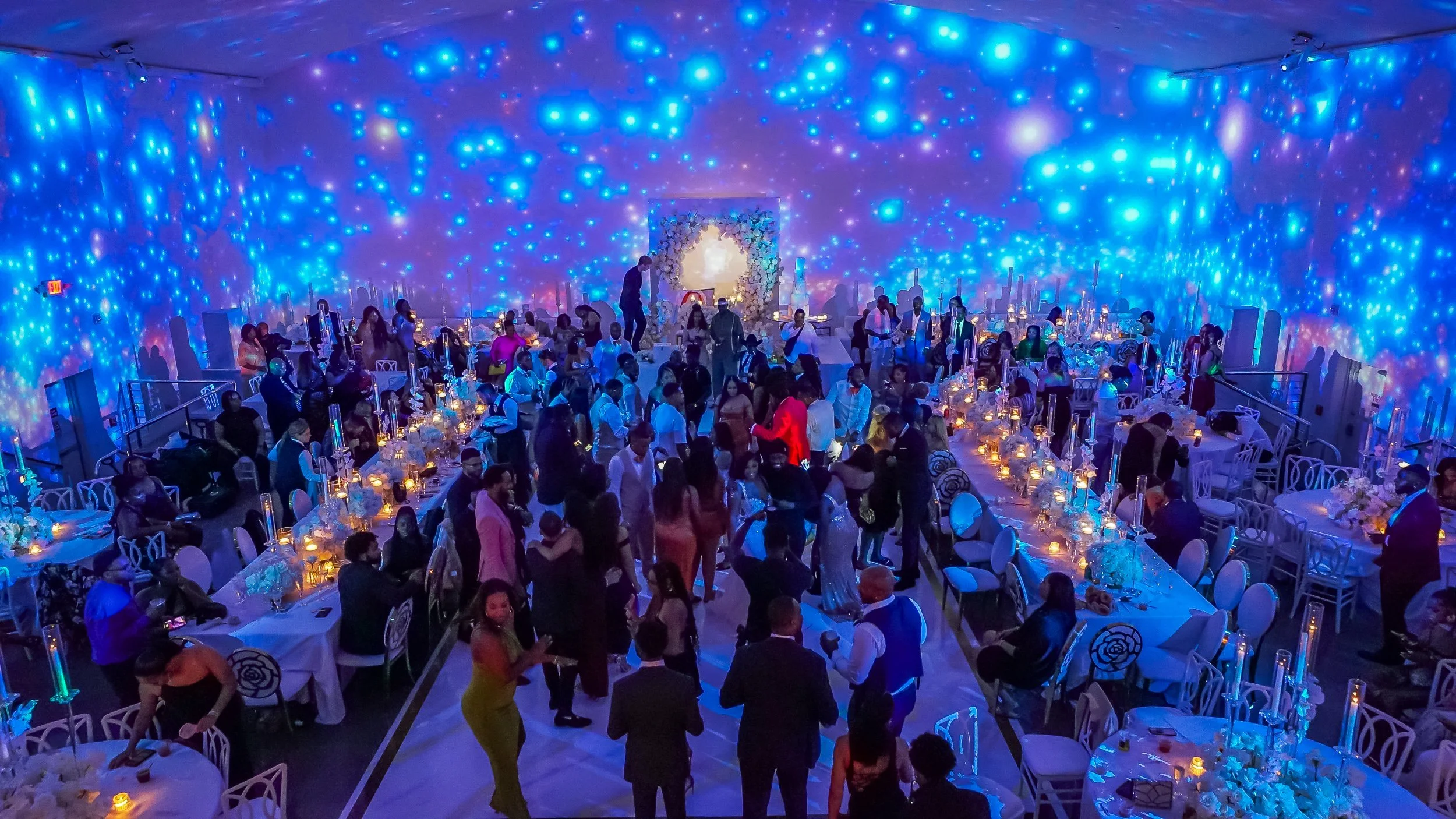
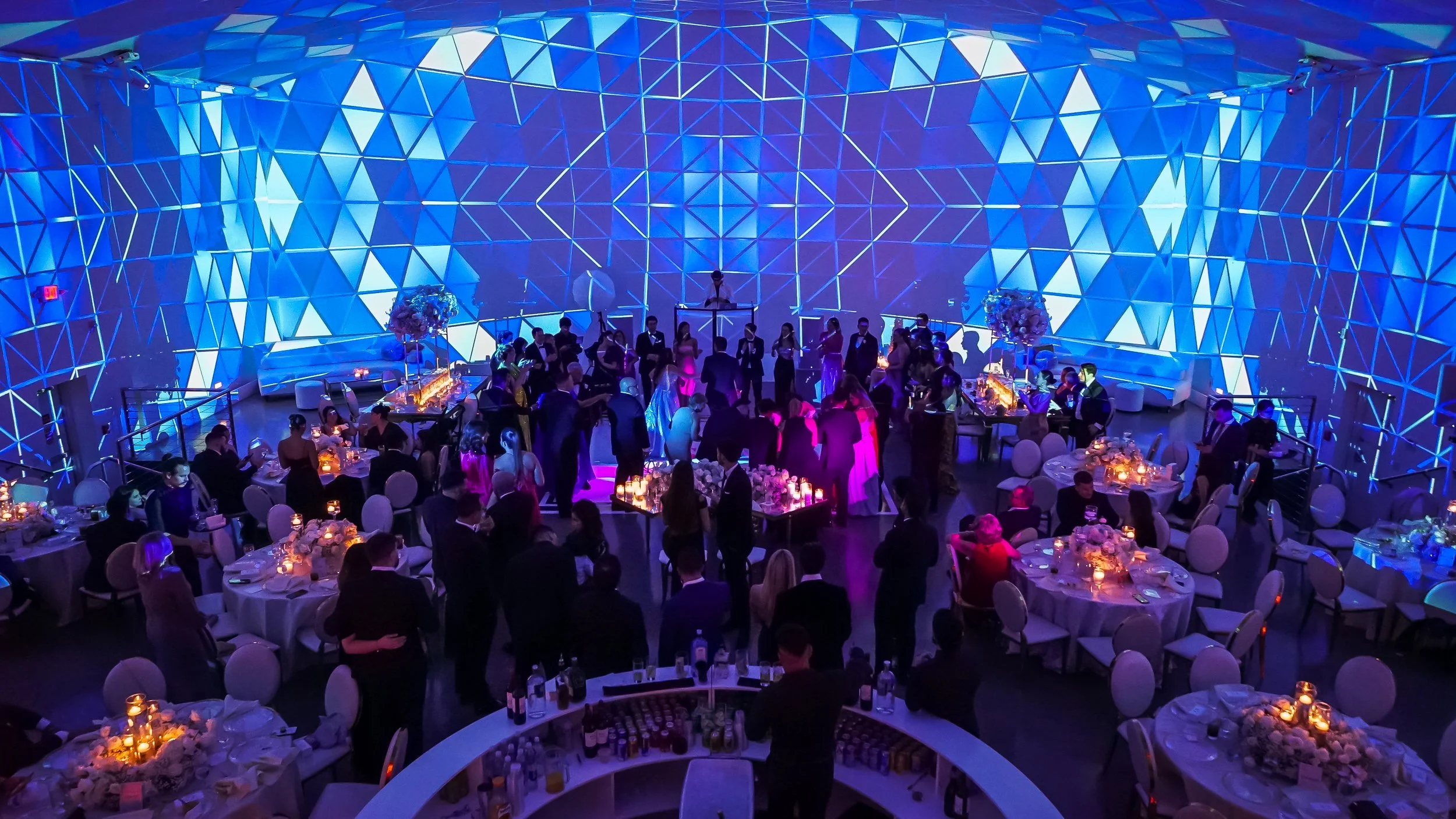
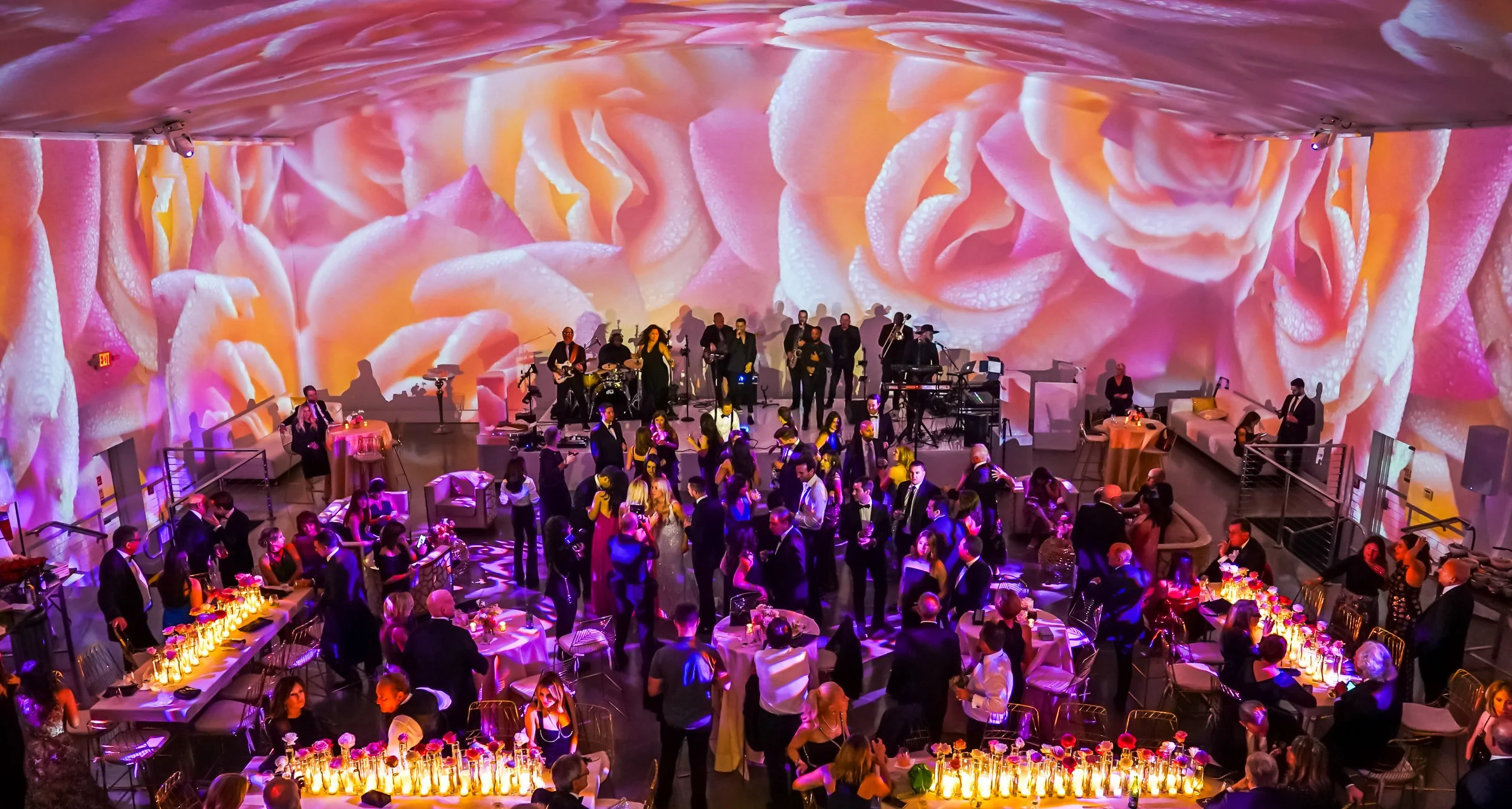
When the venue is designed for immersive, high-level events, the experience flows. Transitions feel intentional. Technology works seamlessly. The room supports the story instead of distracting from it. Presentation is key—every detail, from artistic plating to visual appeal, enhances the overall guest experience. Showcasing the event through high-quality pictures not only captures these moments but also demonstrates the expertise and creativity behind the event.
All the pictures from the event can be used to highlight the quality of the production and the collaboration with clients, serving as a powerful portfolio for future marketing. Pictures are essential for visual storytelling, whether for event marketing or virtual presentations, and help convey the professionalism and success of the event.
Luxury events often incorporate immersive entertainment to engage and captivate guests, while special considerations for VIP guests—such as discreet security, transportation, and accessibility—ensure their needs are met. Iconic locations are often chosen for luxury events to create memorable experiences that leave a lasting impression on every attendee.
From our perspective, the best destination events don’t feel over-engineered. They feel confident. Calm. Controlled.
That’s not an accident. It’s the result of alignment between vision, venue, and execution.
Final Perspective From the Venue Side
Destination events amplify everything—good and bad.
When the venue is chosen with execution in mind, planning becomes more efficient, creative decisions become smarter, and the event feels elevated without unnecessary complexity. Well-executed destination events can elevate business outcomes by creating impactful experiences that go beyond standard meetings. Destination Management Companies (DMCs) play a crucial role by providing local knowledge and securing better vendor rates, ensuring smoother event execution. Additionally, increasing awareness through strategic media coverage and publicity efforts can maximize the visibility and impact of high-profile destination events.
In 2026, choosing a destination event venue isn’t about finding a beautiful backdrop. It’s about selecting a partner that can deliver under real conditions.
We’ve seen what works. We’ve seen what breaks. And the difference is almost always the foundation.
FAQ: Choosing a Destination Event Venue in 2026
Q: What makes a destination event venue truly effective?
A: Production readiness, experienced staff, and the ability to execute under pressure—not just aesthetics. Identifying the target audience and aligning the event with their needs, including attendee demographics, dietary, and accessibility requirements, is also crucial. Destination events often involve overnight stays and local exploration, so the venue should support these aspects.
Q: How early should planners involve the venue in destination event planning?
A: As early as possible. Early alignment leads to stronger design and fewer compromises.
Q: Are destination venues harder to work with than local venues?
A: Not when they’re built for high-level events. The right venue simplifies planning.
Q: What should planners confirm before signing a destination venue contract?
A: Infrastructure limits, staffing support, rehearsal access, and contingency capabilities.
Q: Why does venue experience matter so much for destination events?
A: Because destination events allow little margin for error. Experience protects the guest experience.