Inside Today’s Most Successful Brand Activations
Most brand activations are quickly forgotten. Your’s won’t be.
Walk through a typical brand activation at a conference or corporate event and you’ll see a familiar pattern. A branded booth, a product display, maybe a quick demo or giveaway. Guests stop for a moment, take a photo, and move on.
By the end of the evening, most of those activations blur together.
The activations people actually remember work differently. They don’t sit on the edge of the event—they become the event. Instead of asking guests to observe the brand, they invite guests to step inside it.
What truly sets successful brand activation events apart is their focus on creating memorable interactions—unique moments that not only engage attendees but also strengthen brand values and encourage social sharing.
That shift is what defines modern experiential marketing. When the environment reflects the brand’s energy and story, the experience becomes immersive rather than promotional.
At The Temple House, we’ve seen how powerful that shift can be when immersive environments transform an entire venue into a living brand experience.
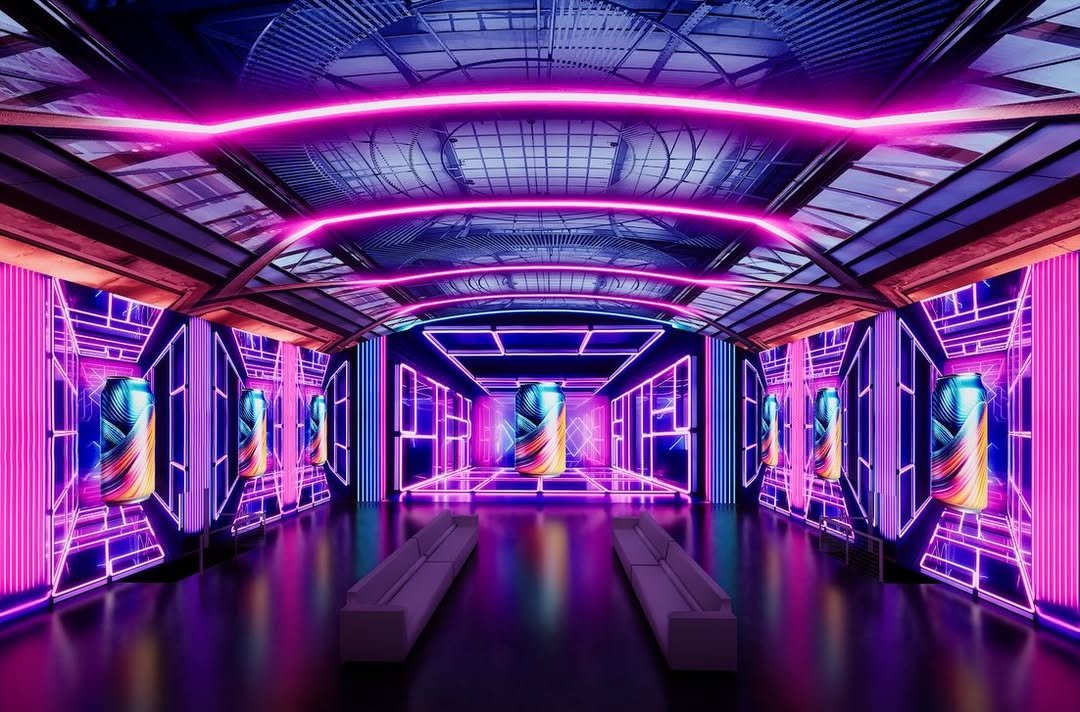
What Your Brand Activation Needs to Reach Your Target Audience in 2026
Experiential marketing is evolving quickly. The activations that stand out today share a few common elements. To succeed, it's essential to create an engaging experience and memorable moments for attendees that foster authentic connections.
The most effective brand activations start with a clear understanding of who you're trying to reach.
Immersive environments - Guests expect to step into an experience, not just walk past a display. Creating memorable experiences is a key goal, ensuring attendees feel immersed and emotionally connected.
Built-in social moments - Design the environment so guests naturally want to photograph and share it.
Participation over observation - The most engaging activations invite guests to move, explore, and interact, turning passive attendees into active participants for a truly engaging experience.
Authentic brand storytelling - Experiences should reflect the personality of the brand rather than feel like a temporary advertisement.
Flexible environments - Spaces that can visually evolve throughout the event keep energy high and attention focused.
Each of these ideas plays a role in creating an activation that feels memorable rather than promotional. The rest of this article explores how brands and planners are bringing these strategies to life.
2026 is about creating an experience, not just an event. If you’re not sure what that looks like, take a moment to read The Difference Between Hosting an Event and Authoring an Experience.
The Evolution of Brand Activations
Brand activations have changed dramatically over the past decade. Early activations focused on visibility: signage, product displays, sampling stations, and quick interactions designed to capture attention in crowded environments.
Brand activation is often confused with general branding strategies, and the confusion is understandable.
Today, audiences expect more. Brand activation examples from recent years show how brands have shifted from static displays to creative, interactive campaigns that truly engage consumers.
Consumers are surrounded by marketing every day, and static displays rarely break through the noise. Experiences that feel immersive and interactive are far more likely to capture attention and create lasting impressions.
That’s why experiential marketing has become one of the fastest-growing strategies for brands launching products, building awareness, or strengthening customer loyalty. Instead of simply showing a product, brands create environments where guests can engage with it directly.
When the experience feels authentic and immersive, guests naturally become participants rather than spectators.
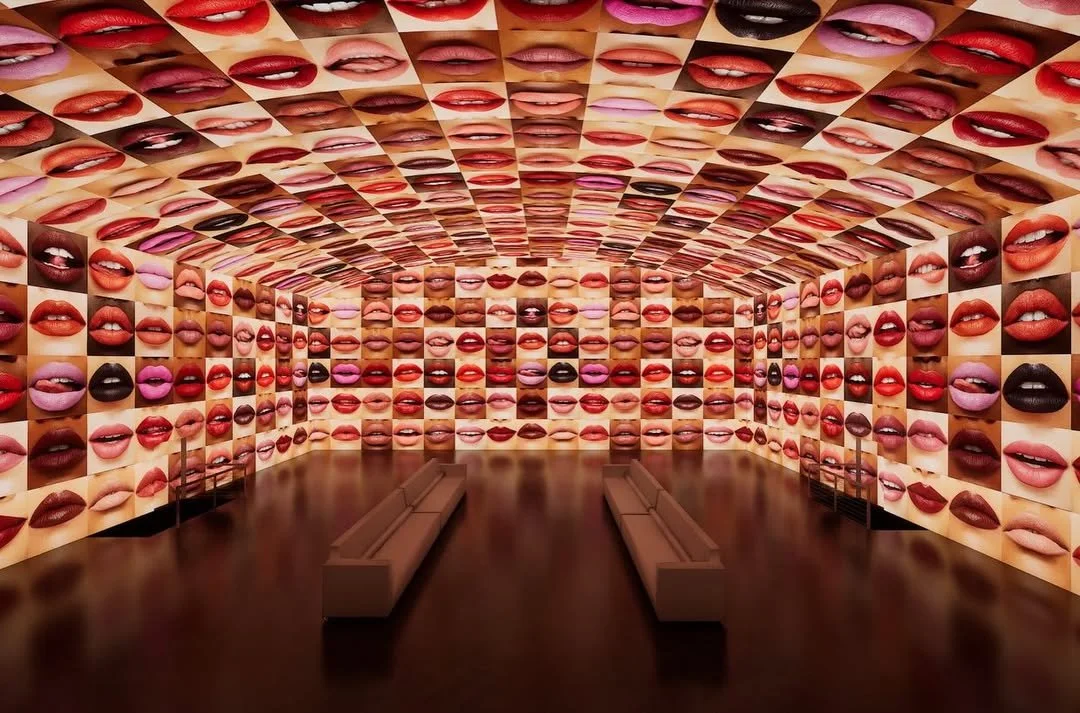
When the Brand Becomes the Environment
One of the most effective ways to create a memorable activation is to transform the entire space around the brand.
This is where immersive projection mapping opens new possibilities. Instead of building large physical sets or installing temporary displays, projection technology allows the walls, ceilings, and architecture of a venue to become dynamic visual surfaces.
A product launch might place guests inside a futuristic digital environment. A lifestyle brand might create a setting inspired by a specific city or culture. A sports brand might surround participants with moving visuals that mirror their energy and movement.
Projection mapping can also immerse guests in the brand's messaging, ensuring that every visual element reinforces the brand's core values and story.
The brand no longer sits inside the room.
The brand becomes the room.
This approach allows marketers and planners to design immersive environments without physically rebuilding the venue. At The Temple House, projection mapping technology allows the entire space to transform instantly for brand events and corporate activations. This enables the creation of impactful brand moments that enhance guest engagement. Curious how we create these immersive worlds? Visit our Projection Mapping page to learn about our process.
Case Study: Red Bull Fitness Club Activation
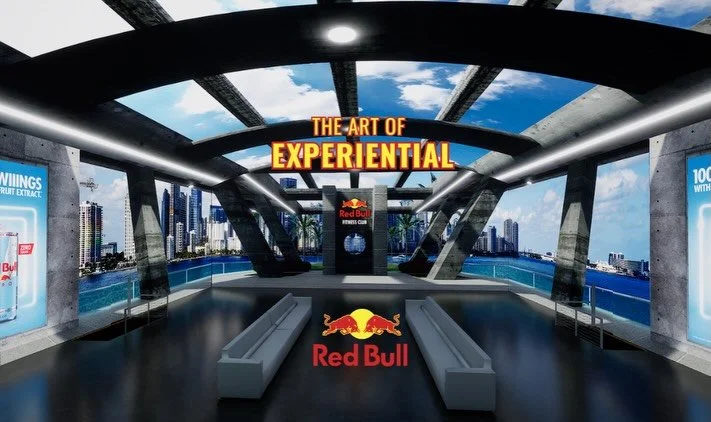
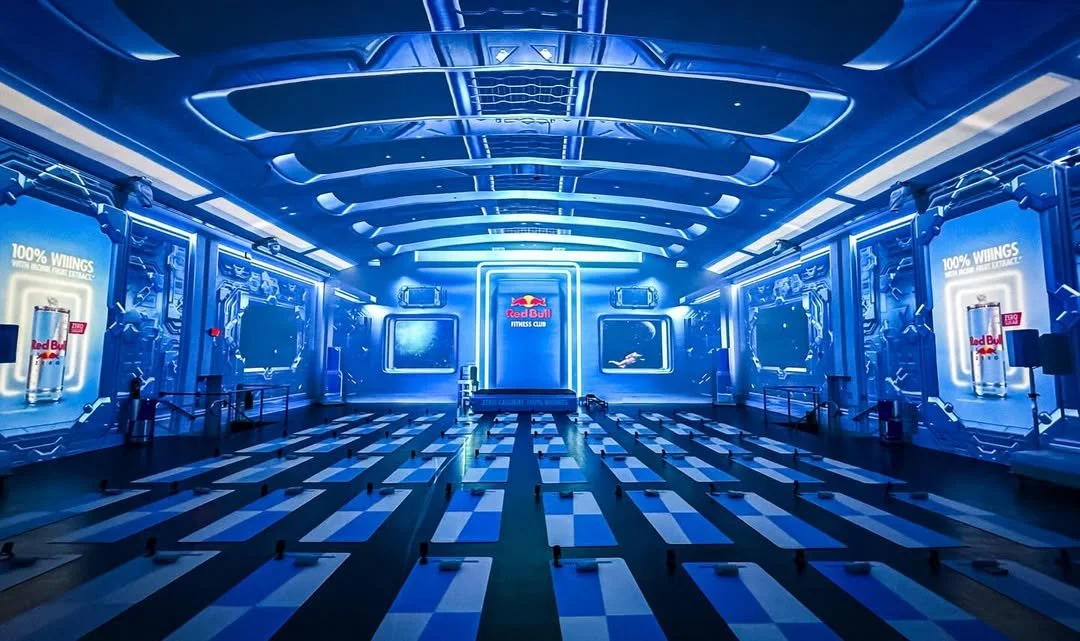
A strong example of this approach was the Red Bull Fitness Club activation hosted at The Temple House.
Event professionals played a crucial role in designing and delivering the immersive experience, ensuring that every element addressed attendee needs and enhanced brand engagement. Instead of building a traditional branded installation, the entire environment was designed to mirror the rhythm and intensity of the workout experience. Projection visuals moved across the walls as participants trained, creating a space that felt responsive to the pace and energy of the class.
Knowledgeable and enthusiastic brand ambassadors were present throughout the activation, effectively representing the brand and engaging with participants to reinforce Red Bull’s identity.
The result was more than a fitness activation.
It felt like stepping into a live training environment where the brand’s identity—movement, performance, and energy—surrounded every participant.
Experiences like this work because they align the environment with the brand itself. Instead of explaining what the brand represents, the experience allows guests to feel it.
Explore more examples of immersive corporate events and brand activations hosted at The Temple House.
Designing Activations That People Share
One of the clearest indicators of a successful activation is how often guests share the experience.
Social sharing rarely happens because guests are told to post. It happens when the environment feels visually compelling or interactive enough that people want to capture it. Incorporating a photo booth into the event can create fun, shareable moments that encourage attendees to take photos and post them online.
Brands that consistently generate shareable experiences tend to focus on three key elements.
First, the environment should feel visually distinctive. Guests should immediately recognize they are somewhere different from a typical venue.
Second, the activation should encourage interaction. Movement, exploration, and participation create natural moments for photos and video.
Third, the brand story should remain clear throughout the experience. When guests understand what the brand represents, the activation becomes easier to connect with and share.
Leveraging social media platforms like Instagram and TikTok is essential to amplify the reach of brand activation events. Using a unique hashtag during the activation can encourage social sharing and extend the event's reach beyond those physically present.
Activation Planning Checklist for Event Marketers
Creating an effective brand activation starts with clear event planning. Before designing the visuals or environment, marketers should define a few key elements. Brand activation requires significant prep work, but modern marketers have multiple proven approaches at their disposal.
Define the goal.Is the activation focused on awareness, engagement, product launch, or media attention?
Identify the emotional experience.Should guests feel energized, inspired, curious, or entertained?
Design the environment around the brand.Lighting, visuals, and sound should reflect the brand’s identity.
Create moments worth sharing.Unexpected reveals, interactive spaces, or immersive visuals encourage organic social engagement.
Plan the flow of the experience.Guests should move naturally through the activation rather than gathering around a single display.
Keep all teams on the same page during the planning process to ensure clear communication and coordination.
Establish feedback loops to learn from attendee engagement and improve future activations.
Plan your lead nurturing sequences, sales handoff processes, and CRM integration before the activation begins.
Working with venues designed for immersive environments often makes this process easier. Spaces equipped with projection mapping, dynamic lighting, and flexible layouts allow marketers to bring creative ideas to life without complex physical builds. The Temple House was designed specifically to support immersive corporate events and brand activations.
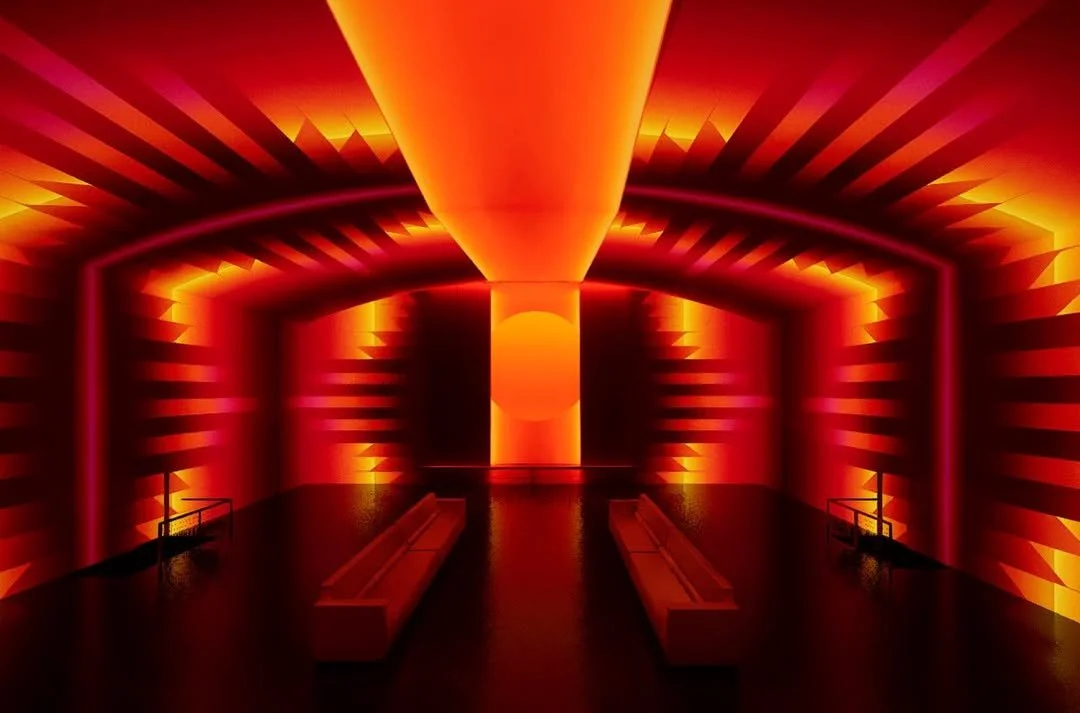
Why Immersive Activations Create Stronger Brand Memory and Brand Loyalty
Immersive experiences work because they engage multiple senses at once.
When guests see, hear, and interact with an environment, the memory becomes stronger than simply observing a display. Instead of recalling a quick product demonstration, they remember the energy of the room and the feeling of being part of the experience.
Research in experiential marketing consistently shows that participation strengthens brand recall and emotional connection. When people interact with a brand directly, the experience becomes far more memorable.
That is why immersive activations often generate stronger engagement than traditional marketing displays. Your goal is to create a personalized experience. If this is a destination event (as many brand activations are) then you’ll want to read our guide Personalized Experiences Are Defining Destination Events Right Now.
Brand Values
At the core of every successful brand activation lies a clear expression of the brand’s values and identity. When brands authentically communicate what they stand for—whether it’s innovation, creativity, or customer-centricity—they create experiences that truly resonate with their target audience. Interactive installations, product demos, and opportunities for social media sharing allow brands to bring these values to life in ways that are both engaging and memorable. By weaving brand values seamlessly into every aspect of the activation, from the design of the space to the messaging and activities, brands can build trust with potential customers and leave a lasting impression. Whether hosting a physical event or a virtual activation, staying true to brand values ensures that every interaction feels genuine and reinforces the brand’s unique identity.
Measuring Success
To maximize the impact of brand activations, it’s essential to measure their success using a mix of quantitative and qualitative metrics. Tracking social media mentions, attendance numbers, and sales data provides a clear picture of reach and engagement, while gathering qualitative feedback from attendees offers valuable insights into what resonated—and what could be improved. These insights help brands refine their approach, ensuring that each pop up event or large-scale activation is more targeted and effective than the last. By consistently evaluating the results of brand activations, brands can align their marketing efforts with business goals, optimize future strategies, and ensure that every activation leaves a meaningful mark on their target audience.
The Future of Brand Activations
Experiential marketing continues to evolve as technology and audience expectations change. Brands are increasingly designing environments that feel immersive, interactive, and visually dynamic.
Virtual events are becoming more common, especially for global brands and digital products, as they allow brands to reach wider audiences, reduce costs, and incorporate interactive features like live Q&A and networking. These digital experiences are particularly effective for launching digital products and engaging international audiences.
Instead of creating temporary installations, many marketers now transform entire venues into branded worlds that guests can explore. Planning for future events is essential, and using a marketing framework—a strategic blueprint that outlines the components of and steps required to create a successful strategy—helps guide these efforts.
Projection mapping, interactive visuals, and creative storytelling allow brands to build experiences that feel expansive without requiring massive physical builds. Marketers can also leverage technology and event software tools to plan their next event more efficiently, streamlining logistics and enhancing overall success.
For planners and marketing teams, this shift opens the door to more creative and memorable brand activations.
When the environment reflects the brand’s identity, guests don’t just see the message.
They experience it.
FAQ: Brand Activations and Experiential Marketing
Q: What is a brand activation event?
A brand activation event is a marketing experience designed to bring a brand to life through direct engagement with an audience. These events can take many forms, including private events, live events, and pop-up shops. Pop-up events create a temporary, immersive brand experience that generates curiosity and allows customers to interact with products in a unique environment. Temporary retail spaces, known as pop-up shops or installations, are also used to create urgency and exclusivity around a brand. Every brand activation shares three core elements: it is a campaign or event, it is interactive, and it focuses on building connections.
Q: What makes a brand activation memorable?
The best brand activations are memorable because they combine immersive design, strong storytelling, and interactive experiences that invite guests to participate rather than simply observe. Creating memorable moments through brand activations helps brands cut through the noise in crowded markets and build emotional connections with their audience, which in turn builds brand loyalty.
Q: What is experiential marketing?
Experiential marketing focuses on creating real-world experiences that allow consumers to interact directly with a brand, building stronger emotional connections and engagement. This approach can raise awareness, foster deeper emotional connections, and builds brand loyalty by encouraging positive word-of-mouth and providing unique opportunities for consumer-generated content. Experiential marketing can also boost brand awareness by creating a buzz online and sparking conversations outside the realm of standard marketing channels.
Q: Why are immersive environments effective for brand activations?
Immersive environments engage multiple senses and create stronger brand recall because guests experience the brand rather than simply seeing it. These multi-sensory brand experiences help deepen emotional connections and make the event more memorable.
Q: What should marketers look for when choosing a brand activation venue?
Marketers should look for venues with flexible layouts, immersive technology capabilities, and environments that can adapt visually to support interactive experiences and brand storytelling.
Q: How can brands engage attendees and customers at activation events?
Brands can engage attendees and customers by incorporating contests, giveaways, free samples, and free trials into their brand activation events. These strategies generate excitement, encourage participation, and help build a customer database for future marketing efforts. Unique activations also encourage attendees to create user-generated content, amplifying the brand’s reach on social media.
Q: What role do influencer marketing and press coverage play in brand activations?
Collaborating with influencers can increase event ROI by tapping into established trust relationships with the target audience. Influencer marketing is especially effective for product launches and experiential events. Press coverage is a key metric for evaluating the success of a brand activation, as it helps raise awareness and extends the event’s impact beyond attendees.
Q: How should brands plan their next pop up or event activation?
Planning the next pop up or event activation requires significant preparation, a clear understanding of the target audience, and setting clear, measurable goals. Successful brand activation events are executed by creating shareable experiences that engage attendees and encourage participation.
Q: How can brands use activations to showcase their brand stand on social or environmental issues?
Brands can use activations, campaigns, or events to highlight their core values and stance on social or environmental issues. By making their brand stand clear through interactive experiences, brands can connect authentically with audiences who share similar values.
Q: Are activations effective at music festivals, in the own home, or for digital products?
Yes, activations at music festivals allow brands to engage customers through interactive zones, product demonstrations, or practical solutions like cooling stations, enhancing brand visibility. Home-based experiences can mimic leisure trips or hotel stays, offering comfort and convenience in the own home, especially during challenging times. For digital products, offering free trials and digital activations can effectively engage audiences and drive conversions.
Q: What is the impact of in-person engagement at brand activations?
Engaging in-person with a brand significantly increases positive consumer connections, with studies showing that 84% of attendees feel more positive after an event. Brand activations can also drive immediate sales, as 98% of participants feel inclined to purchase after a successful activation.
New to brand activations? Let’s start from the beginning!
Introduction to Brand Activations
Brand activations have become a cornerstone of modern marketing, offering brands innovative ways to connect with their target audience beyond traditional advertising approaches. Unlike static ads or passive displays, brand activations invite potential customers to step into engaging experiences that foster deeper emotional connections and build lasting brand loyalty. Through experiential marketing, brands can craft memorable moments—whether it’s a pop up event, a private gathering, or a large-scale activation—that resonate long after the event ends. The most successful brand activation ideas blend interactive elements, social media sharing opportunities, and immersive storytelling to ensure attendees leave with a lasting impression. In today’s crowded marketplace, these engaging experiences help brands stand out, drive authentic engagement, and create meaningful relationships with their audience.
Types of Brand Activations
Brand activations come in many forms, each designed to engage the target audience in unique and memorable ways. Experiential marketing activations immerse attendees in hands-on experiences, allowing them to interact directly with the brand and its products. Social media-driven activations leverage interactive installations and creative setups to encourage social sharing, amplifying the brand’s reach across digital platforms. Virtual reality and augmented reality activations are gaining traction, offering fully immersive experiences that transport guests into new worlds and bring brand stories to life. Pop up shops and events provide a sense of exclusivity and urgency, often tied to product launches or limited-time offers, giving brands the chance to create buzz and connect with consumers in a dynamic, face-to-face setting. Each type of activation offers endless possibilities for brands to engage their audience, boost brand awareness, and create memorable experiences that drive results.
Benefits of Brand Activations
The impact of brand activations extends far beyond the event itself. By delivering memorable and engaging experiences, brands can significantly increase brand awareness and foster stronger relationships with their target audience. These activations offer a powerful platform to showcase brand identity and values, helping brands stand out in a competitive landscape. Whether through a pop up event or a large-scale activation, brands can gather valuable insights and feedback from attendees, informing future marketing strategy and product development. Brand activations also drive word-of-mouth and social sharing, amplifying the brand’s message and reach. Ultimately, the benefits of brand activations—ranging from increased sales to enhanced brand loyalty—make them an essential tool for brands looking to connect with their audience in meaningful and lasting ways.